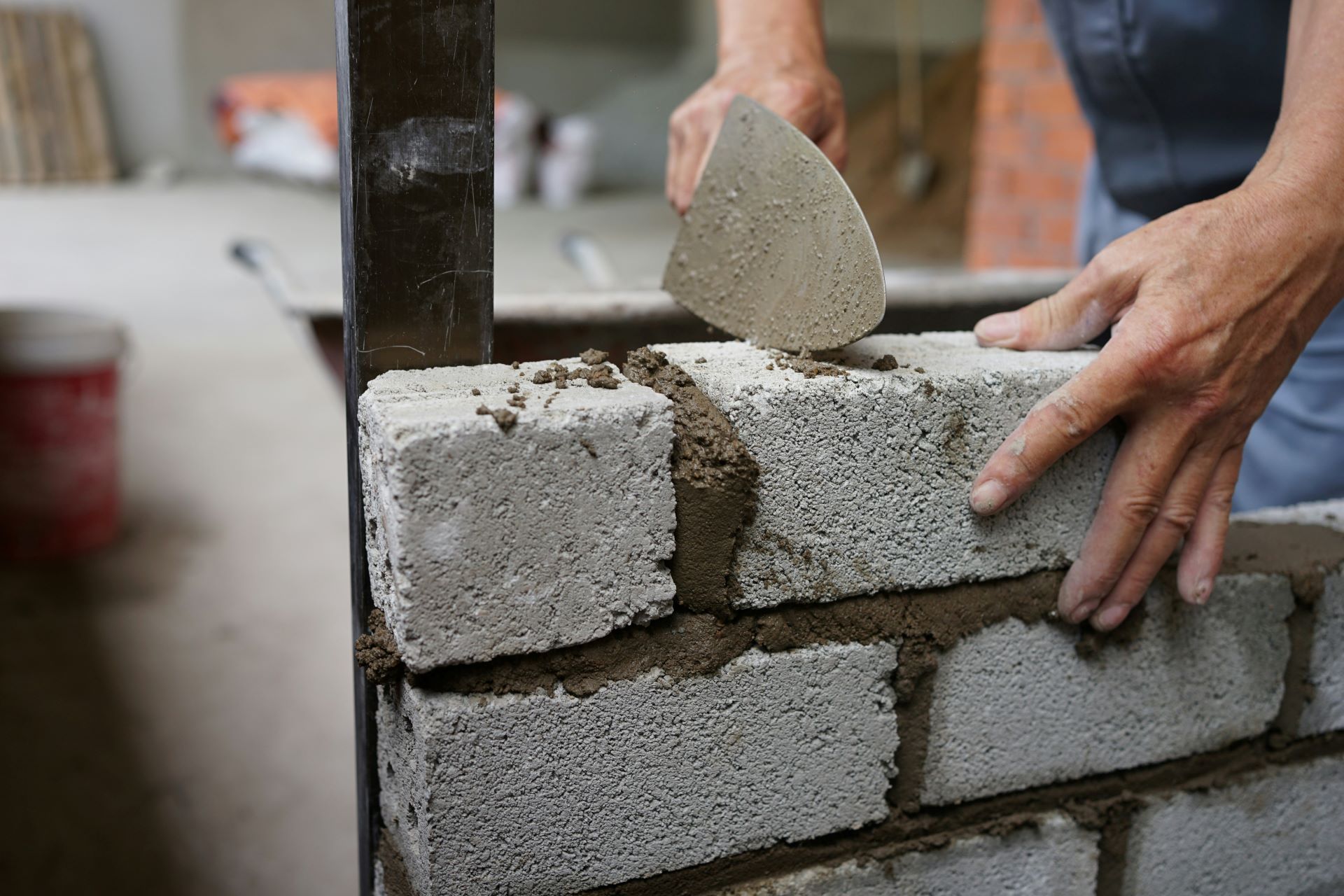
Why Poor Backfilling Threatens Building Foundations
The Hidden Importance of Soil Compaction After Construction
Construction projects often celebrate the moment when the last brick is laid and the roof begins to rise into the African sky. In reality, however, that finishing flourish is only part of the story. What happens beneath the building often determines whether that structure will stand proudly for decades or begin showing distress within a few rainy seasons.
Backfilling around foundations is not simply about filling empty space with soil. It is a technical process that requires careful control of material quality, moisture content, and compaction density. When done correctly, backfilling stabilises the structure, distributes load forces, and prevents movement caused by external environmental pressures.
In South Africa, construction sites face unique challenges. Expansive clay soils, seasonal rainfall variability, and temperature fluctuations can all influence how soil behaves after a building is completed. Compliance with standards such as those set by the South African Bureau of Standards plays a critical role in reducing long-term structural failure risks.
Unfortunately, poor backfilling practices remain common in both residential and commercial construction projects. When contractors rush the process, use unsuitable fill material, or fail to achieve proper compaction, they plant the seeds for settlement problems that may take years to become visible.
What Settlement Really Means for Buildings
Settlement occurs when the soil supporting a structure compresses, shifts, or loses volume over time. Some settlement is expected in any building, especially during the early stages after construction. Engineers usually design foundations to accommodate minor movement.
The problem arises when settlement is uneven or excessive.
Differential settlement is particularly dangerous. Instead of the entire structure sinking uniformly, one section may move more than another. This creates twisting forces across walls, slabs, and load-bearing elements. Over time, these forces translate into cracks, distortion, and structural fatigue.
In South African housing developments, settlement cracks are often first noticed as hairline fractures around window frames, door lintels, or along plastered walls. Homeowners may dismiss these as cosmetic issues, but they are often early warning signals of deeper ground movement.
Settlement problems are rarely caused by foundation design alone. More often, the culprit lies in post-construction ground preparation. If backfilling soil is loosely placed without mechanical compaction, void spaces remain trapped inside the fill. When moisture enters these voids, the soil collapses and compresses under the building’s weight.
Think of poorly compacted soil as a sponge left half-filled with air pockets. Once pressure and water enter the system, the structure begins sinking into its own unstable base.
How Moisture Controls Soil Behaviour
Moisture is one of the most influential factors in foundation stability across many parts of South Africa.
Rainwater infiltration can gradually change soil density. Some soils swell when wet and shrink when dry, creating a slow but relentless cycle of movement beneath foundations.
Coastal regions experience salt-laden moisture exposure, which can alter soil chemistry and affect certain fill materials. Inland areas may experience intense summer thunderstorms that dump large volumes of water into poorly drained backfill zones.
If drainage systems are not properly integrated during construction, water may accumulate around the foundation perimeter. This trapped moisture increases hydrostatic pressure against basement or foundation walls while simultaneously weakening the supporting soil.
Professional construction teams usually install drainage layers, gravel zones, or engineered fill material to manage water migration. These layers act like geological shock absorbers, redirecting moisture away from critical structural zones.
Material Selection Matters More Than Many People Think
Backfilling is not a case of digging soil from one part of the site and dumping it around the foundation.
The choice of material directly influences long-term performance.
Ideal backfill materials are typically granular, well-graded, and free from organic contaminants. Clayey soil, construction debris, or plant-rich topsoil should generally be avoided because these materials compress unevenly and retain excessive moisture.
Organic matter is particularly dangerous because it decomposes over time, creating internal voids inside the backfill zone. As decomposition progresses, the ground slowly loses volume, inviting structural settlement.
Many South African construction sites unfortunately still rely on on-site soil recycling without proper engineering assessment. While this practice may reduce immediate material costs, it often increases future maintenance expenses.
Proper backfill material should ideally be placed in thin layers and compacted systematically. Mechanical compaction equipment ensures that air pockets are removed and soil particles are forced into a stable, load-bearing configuration.
The Role of Compaction Density
Compaction is the heart of foundation backfilling quality.
Insufficient compaction leaves soil loosely arranged. Under the weight of the building and natural environmental forces, the soil particles gradually rearrange themselves into a denser state. This natural rearrangement causes the ground surface to sink.
Construction engineers often specify compaction targets measured as a percentage of maximum dry density. Achieving these targets requires calibrated machinery, trained operators, and continuous field testing.
Unfortunately, smaller residential projects sometimes treat compaction as a secondary task. Workers may simply backfill soil and walk over it or use light equipment that does not generate adequate pressure.
The result may not be immediately visible. Structural damage may take years to develop, slowly announcing itself through plaster cracks, sticking doors, or misaligned roof lines.
Settlement Risks for Different Building Types
The consequences of poor backfilling vary depending on the type of structure involved.
• Single-storey residential homes may show cosmetic cracking first. Homeowners may attempt surface repairs without addressing the underlying ground movement.
• Multi-storey commercial buildings face higher cumulative stress loads. Differential settlement can create dangerous load redistribution across structural columns.
• Industrial facilities, warehouses, and retail centres are particularly vulnerable because they often rely on large slab foundations covering extensive surface areas.
In high-traffic commercial spaces, uneven settlement can also cause flooring deformation. Tiles may crack, concrete slabs may tilt, and expansion joints may fail prematurely.
South Africa’s growing urban development landscape means that many new structures are built on previously disturbed land. Old landfill zones, reclaimed construction sites, or areas with historic soil compaction disturbance require careful geotechnical evaluation before building begins.
Cracking Patterns That Signal Backfill Failure
Not all cracks are created equal.
Structural engineers often classify cracks by location, width, and propagation direction.
Vertical cracks near building corners may indicate foundation rotation or differential settlement. Stair-step cracking along masonry joints is another classic indicator of ground movement stress.
Horizontal cracks are particularly concerning because they may suggest excessive lateral pressure or foundation wall bending.
Homeowners should monitor whether cracks widen after heavy rainfall periods. Seasonal crack expansion is a strong signal that moisture variation is driving soil movement beneath the structure.
Drainage Systems as Structural Allies
Good drainage design is the silent guardian of foundation stability.
Surface water should be directed away from buildings through graded landscaping, gutters, and underground drainage channels. Water that pools around foundations becomes a long-term enemy of structural integrity.
French drains, gravel trenches, and permeable backfill zones are common solutions used in modern construction.
Maintenance is equally important. Even well-designed drainage systems can fail if blocked by debris, vegetation roots, or soil sediment buildup.
Property owners in South Africa should inspect drainage outlets after heavy storms, especially during summer rainfall seasons.
The Economics of Cutting Corners
Poor backfilling is often the result of short-term cost thinking.
Contractors may reduce material quality, shorten compaction time, or skip field density testing to save project expenses. While these decisions may improve immediate cash flow, they shift financial risk into the future.
Repairing settlement damage is far more expensive than performing proper backfilling during initial construction.
Structural reinforcement, crack repair, and foundation stabilisation work can disrupt occupants and require specialised engineering interventions.
For property developers, investing in quality ground preparation is essentially purchasing long-term reputation insurance.
Maintenance Responsibilities After Construction
Building safety does not end once construction crews leave the site.
Regular property inspections help detect early signs of foundation stress. Homeowners should watch for:
Doors and windows that suddenly become difficult to open or close
Visible gaps forming between walls and ceilings
Uneven floor surfaces or tilting furniture
Cracks that reappear after cosmetic repairs
Early detection allows for targeted soil stabilisation measures rather than full structural rehabilitation.
Professional geotechnical evaluation may be necessary if settlement symptoms continue to worsen.
The Climate Connection in South African Construction
Regional climate patterns influence foundation behaviour.
In areas with high summer rainfall, backfill zones are exposed to repeated wetting and drying cycles. These cycles accelerate soil particle movement and volume change.
Interior plateau regions may experience hotter, drier conditions that cause certain clay soils to shrink. Buildings constructed on such soils must account for seasonal ground contraction.
Climate-aware construction planning is becoming increasingly important as weather variability intensifies.
Engineering Discipline as the First Line of Defence
Quality foundation performance is not accidental. It emerges from disciplined engineering practice, site supervision, and adherence to construction standards.
Geotechnical surveys should guide material selection and compaction requirements. Supervisors must verify layer thickness during backfilling operations. Laboratory testing of soil samples can further confirm suitability.
The foundation is the architectural equivalent of a building’s root system. If the roots are unstable, the structure above will eventually feel the strain.
##Building for Longevity, Not Just Completion
Modern construction philosophy is shifting from rapid completion toward lifecycle durability.
In South Africa’s competitive property market, long-term structural reliability is becoming a key quality marker. Buyers and investors increasingly prefer buildings that demonstrate engineering foresight.
Proper backfilling may not be visually impressive work. It happens quietly, often hidden beneath pavement and landscaping.
Yet it forms the difference between a building that ages gracefully and one that carries the scars of rushed workmanship.
Poor foundation backfilling is one of the most underestimated causes of structural stress in buildings.
Settlement risks emerge when soil compaction is inadequate, material selection is careless, or drainage design is neglected. In South Africa, local soil conditions and climate variability make careful post-construction ground preparation especially important.
Quality construction is not defined only by what is built above the ground, but also by the invisible engineering beneath it. When backfilling is done correctly, the soil becomes a quiet partner in structural stability, holding the weight of human ambition without complaint.
Investing in proper compaction, drainage, and material control is ultimately an investment in safety, durability, and long-term property value.