
The everyday challenges of property maintenance in Gauteng
The everyday challenges of property maintenance in Gauteng
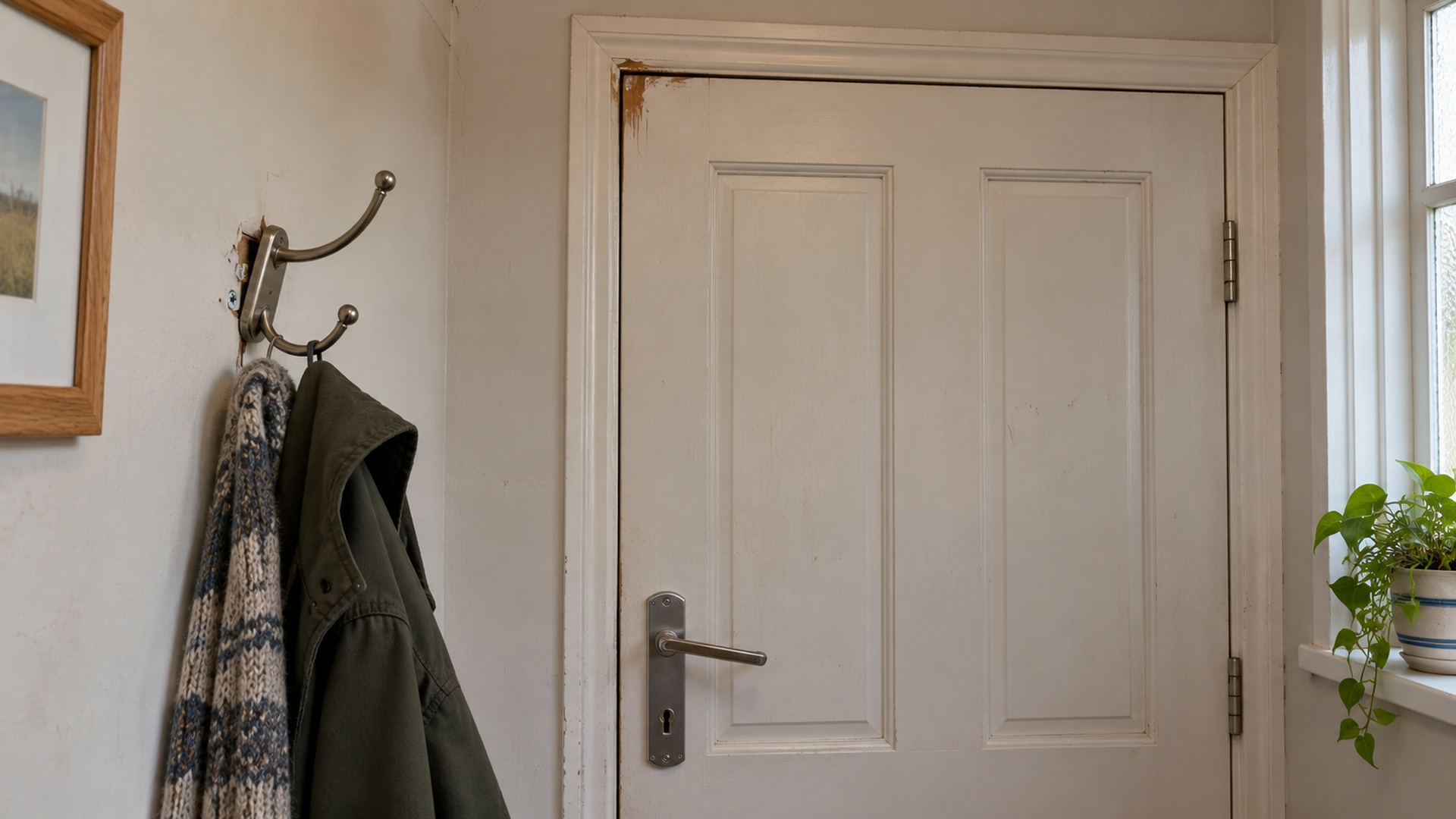
A property rarely presents its maintenance needs in a neat order. A tenant reports a sticking door, a cupboard hinge works loose, a wall develops a mark and a fitting stops working. Each item may appear modest, but the list can affect comfort, safety, access and the time needed to manage the property.
For Gauteng homeowners, landlords, body corporates and small businesses, the challenge is not only finding someone to fix a defect. It is understanding which tasks are urgent, describing them accurately, coordinating access and recognising where specialist work is required. A practical maintenance process can make those decisions easier without promising that every unexpected fault can be prevented.
A small defect can have a large operational effect
The physical size of a defect does not necessarily match its impact. A loose handle on a seldom-used cupboard may be an inconvenience. A faulty handle on an entrance used throughout the day may affect access or security. A loose tile in a busy passage deserves a different response from a cosmetic chip in an isolated area.
Start by considering who uses the space, how often the fitting is used and whether the problem is getting worse. Ask whether the defect affects safe movement, essential access or security. An item that creates an immediate hazard should not wait for the next routine maintenance round. Keep people away where safe and contact the appropriate emergency service or qualified professional.
For less urgent items, record the location, symptom and date. Photographs can help a contractor understand the visible condition. A short note such as “the cupboard door rubs against the frame when closed” is more useful than simply writing “cupboard broken”. It tells the contractor what is happening without assuming why.
The visible symptom may not reveal the cause
A door can stick for several reasons. A damaged wall finish might result from impact, moisture, movement or another condition. A loose tile may be an isolated issue or part of a wider problem. The correct response depends on what an assessment reveals.
A superficial repair can be appropriate when the cause is understood and the surrounding material remains sound. Repainting a recurring water mark without addressing an active source of moisture, however, may lead to another failure. The US Environmental Protection Agency's moisture guidance recommends fixing water problems and drying affected surfaces before painting. That general advice does not diagnose a particular property.
Ask the provider what the proposed task addresses and what it excludes. If opening a small area reveals further damage, agree that the finding will be explained before additional chargeable work begins. A contractor may reasonably need to inspect before giving a firm price, especially where the affected area is concealed.
Owners can help by sharing a brief history. Mention previous repairs, when the issue returns and whether it changes after rain or heavy use. Do not climb into unsafe spaces or open electrical enclosures to collect evidence. The aim is to provide useful observations while leaving diagnosis and specialist work to competent people.
Knowing where handyman work ends
A general maintenance provider can help with many everyday tasks, including suitable adjustments, minor fixture work, cupboard repairs and small finish repairs. The exact scope depends on the provider's competence and the condition of the property. Some issues require a specialist, and a good maintenance plan makes that boundary clear.
Electrical installation work should be handled by an appropriately registered electrical contractor. The Department of Employment and Labour advises owners and businesses to engage competent, legally registered contractors and explains the need for proper inspection and testing before certification. Its electrical compliance notice is a useful starting point.
Significant plumbing faults, structural concerns, specialist waterproofing and other regulated or complex work may also need the appropriate expertise. Ask who will assess the problem, who will perform each part of the work and who will provide any required documentation. A general repair list should not be used to avoid that discussion.
For example, a handyman might be suitable for repairing a cupboard after a water problem has been resolved. The source of an active leak may first need a plumber. The painting of an affected wall may need to wait until the cause is addressed and the surface is ready. These are related tasks, but they are not interchangeable.
Repair lists become difficult when nobody owns them
In a busy home or business, a minor issue can be reported more than once without a clear decision about who will arrange the work. In a rental property, the tenant, owner and agent may each have different information. In a complex, a defect may involve a private unit, a common area or an arrangement that needs checking against the applicable rules.
Use a simple record with the item, location, date reported, priority, responsible contact and current status. Add the quotation and a brief note of work completed. A shared spreadsheet or maintenance platform can help, but a structured list can be enough for a small property.
The record should distinguish a reported issue from an approved job. Someone needs authority to obtain quotes and approve spending. If a job is waiting on a part, access or specialist investigation, record that rather than leaving its status unclear. Once it is finished, identify any follow-up needed.
For leased or managed premises, confirm responsibilities in the relevant agreement and applicable rules. Do not assume that a generic article can decide which party pays for a particular repair. Clear communication helps the right person make that decision.
Access and occupation affect the work
A property may be in use while repairs are carried out. Homes have family routines, offices need working areas and shops must consider customers. A technically small task can become disruptive if the contractor cannot reach the fitting, materials must be sourced during the visit or occupants were not notified.
Before booking, identify who will open the property and show the contractor the work. Confirm parking, building rules, security procedures and permitted working hours. Mention pets, sensitive equipment and areas that cannot be used during the appointment. If a repair needs drying time, ask when normal use can resume.
Discuss protection and preparation. Who will move furniture or stock? Will floors and adjacent finishes be covered? Is cleanup included? A written scope is especially helpful when an owner is not on site and an agent or tenant will provide access.
In a business, plan around the effect on operations. Work at a reception counter or entrance may need a quieter time. Do not promise staff or customers a return-to-service time until the contractor has explained the likely sequence and any uncertainty.
Parts and matching materials are not always immediate
A broken hinge, handle or tile may need a particular size or type. An older component may be discontinued, and an alternative may require adjustment. A spare tile can improve the chance of a close match, but colour and finish may still differ from surrounding material that has aged. Paint touch-ups can also remain visible because sheen and exposure change the appearance of an existing wall.
Provide photographs, dimensions where safe, model information and any spare materials when requesting a quote. Ask whether sourcing is included and whether the proposed item is an exact match or an alternative. If an exact finish matters, discuss this before work begins.
A small patch may be a sensible practical solution in a low-visibility area. In a prominent space, painting to a natural break or replacing a wider section may give a more consistent appearance at a higher cost. The right choice depends on the condition, budget and intended use. Neither outcome should be promised without assessment.
If a part must be ordered, ask whether the area can safely remain in use while waiting. A temporary measure, if appropriate, should be clearly described as temporary and should not obscure a continuing hazard.

Comparing prices requires comparable scopes
Maintenance quotations may look simple but cover different things. One may include labour and common consumables; another may include the replacement fitting, protection and disposal. A call-out fee or minimum visit charge can also affect the total. Comparing only the final numbers can lead to an inaccurate conclusion.
Provide each provider with the same task list and ask for a description of the included work. Clarify materials, sourcing, travel, access equipment, cleanup and any exclusions. Ask whether the amount is a fixed price or an estimate subject to inspection. If unexpected damage is found, agree how it will be communicated and approved.
Grouping compatible jobs may reduce repeated call-outs and administration, but it does not guarantee a lower price. Different trades, materials, curing times or access constraints may require separate visits. Ask the contractor which items can reasonably be combined and which need a specialist.
Also review warranty terms if offered. Product and workmanship warranties can have different coverage and exclusions. Keep the written terms with the invoice. A warranty is useful information, not a promise that unrelated defects or normal wear cannot occur.
Maintenance competes with limited budgets
Property owners often need to decide what can be done now and what can wait. A practical list separates immediate safety and security concerns, items that affect essential use, and work that is primarily cosmetic. The order may change if an assessment reveals a more serious issue.
Ask for a staged recommendation where appropriate. Which tasks can be completed independently? Which depend on a preceding specialist repair? What might worsen if an item is deferred, and what evidence supports that assessment? A contractor should be clear about uncertainty rather than giving every item the same urgency.
Retain an allowance for unexpected findings when planning work. It is not possible to know every concealed condition before opening a surface. Still, an owner should receive an explanation and approve changes before the scope expands, except where an agreed emergency procedure applies.
For a portfolio, consistent reporting makes it easier to compare needs across properties. The objective is not to favour the largest or most visible building automatically, but to understand the effects on occupants, operation and the condition of each property.
Repeated repairs deserve a closer look
A task that reappears on the list can indicate that the earlier work addressed only part of the problem, that use has changed or that another component is affected. It does not automatically prove poor workmanship. Review what was done, when the symptom returned and whether the conditions are the same.
For a recurring door problem, for example, ask whether the fitting, frame and surrounding condition need further assessment. For a water mark that returns, seek an appropriate investigation before approving another cosmetic finish. Keep the records and photographs so the next person has a clear history.
A repeated defect can also affect how a repair is priced. A contractor may need additional investigation before recommending another adjustment or replacement. Request a clear distinction between diagnosis, immediate containment and permanent work.
If the original provider offered a workmanship warranty, contact them promptly and explain the concern. Review its terms rather than assuming that all future issues are covered. Keep communication factual and agree on access for any inspection.
Handover is part of a small job
At the end of a visit, review the task list and check which items were completed. Where safe, operate a repaired door or cupboard with the contractor and discuss any remaining concern. Ask about drying times, cleaning and care for newly applied finishes.
If an item could not be completed, record why and what happens next. A part may be unavailable, another trade may be needed or the property owner may have decided to defer the work. Avoid treating an incomplete item as finished simply because the appointment ended.
Keep the quotation, invoice, product details and any written warranty. If the work affects an electrical or other regulated installation, obtain the documentation appropriate to that scope from the responsible professional. A photograph can support a record but cannot prove hidden work or certify safety.
Start with a clearer list
A useful maintenance process begins with observations, priorities and an identified decision-maker. It then matches the task to a suitable provider, sets a scope and makes room for findings that cannot be known in advance. This approach supports better communication and helps occupants understand when work is likely to affect them.
Building Companies offers property maintenance and handyman services in Gauteng. To discuss an existing repair list, request an assessment with the property location, photographs taken safely and a short description of each item. The team can discuss suitable tasks and the next practical step.