Solar Integration and Roof Load in South Africa Buildings
Solar Integration and Roof Load in South Africa Buildings
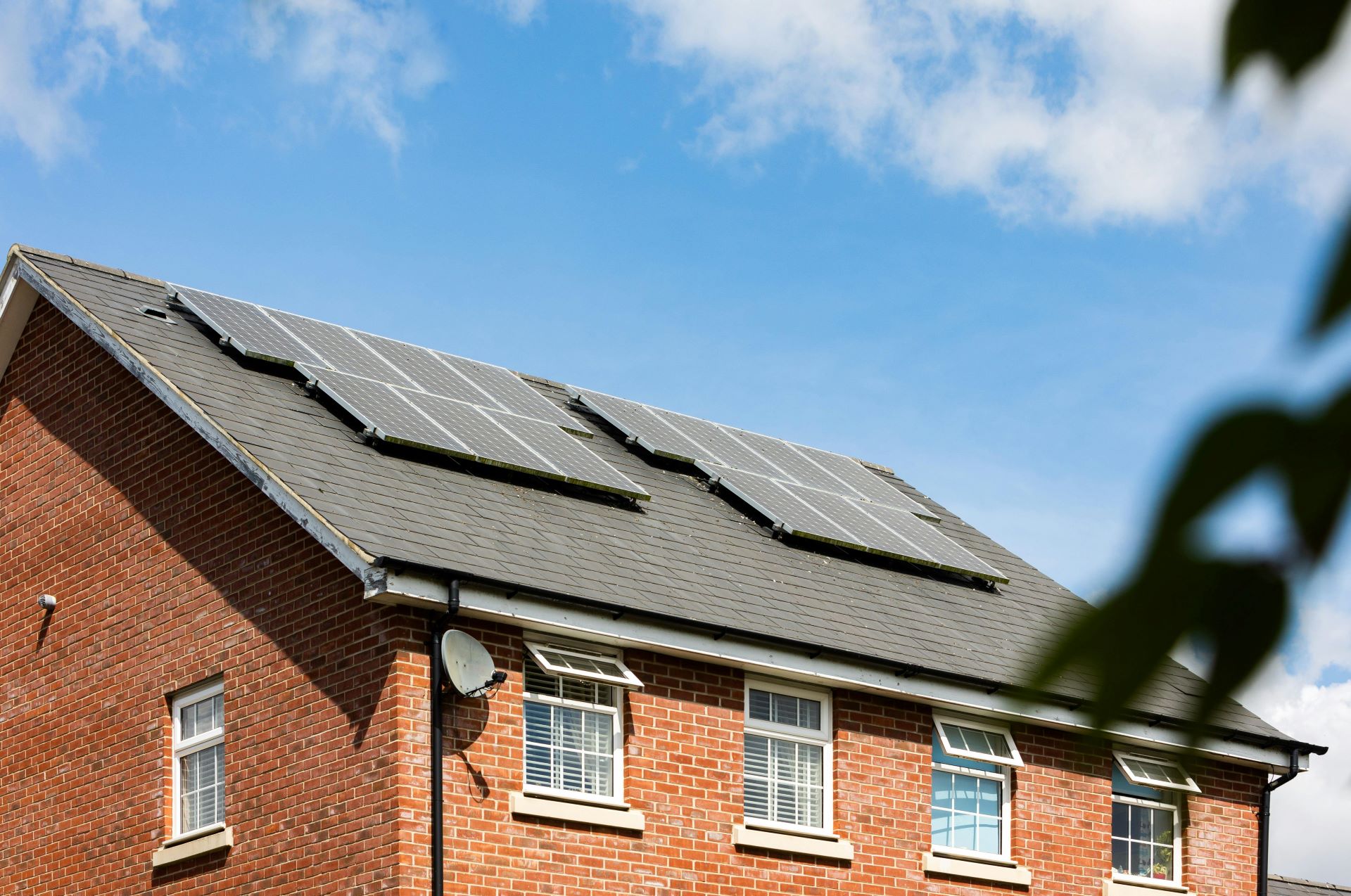
The expansion of solar photovoltaic systems across South Africa has quietly reshaped the structural expectations placed on rooftops. What was once a passive weather barrier is now often a hybrid surface, carrying electrical generation equipment, mounting frames, cabling systems, and in some cases battery-linked auxiliary infrastructure. This transformation is not merely technological. It is fundamentally architectural and structural, and it introduces new layers of responsibility for builders, engineers, and maintenance teams.
Across Johannesburg, Pretoria, Cape Town, Durban, and regional towns, rooftop solar has become a response to grid instability and rising energy costs. Yet beneath the promise of energy independence lies a quieter question: can the roof actually carry what it is being asked to support, not just today, but for the next twenty years of exposure?
This article explores the intersection between solar integration and roof load considerations in South African construction, with a strong focus on long-term maintenance implications and structural performance.
The Changing Role of the Roof in Modern Construction
Traditionally, roofs in South African buildings were designed with a singular purpose: environmental separation. They resisted rainfall, wind uplift, heat transfer, and occasional maintenance access. Structural loading was relatively predictable, primarily consisting of self-weight, ceiling systems, and environmental forces.
The introduction of solar photovoltaic systems changes this equilibrium. Roofs are no longer passive layers but active platforms supporting:
- PV panel arrays and mounting rails
- Ballast systems or mechanical anchors
- Inverter equipment in some rooftop installations
- Cable management systems and conduit routes
- Maintenance access pathways
Each of these components introduces additional dead load and sometimes dynamic load conditions, especially in wind-prone regions or during maintenance activity.
In South African construction practice, this shift is significant because many existing roofs were never originally engineered for such persistent concentrated loading.
Understanding Roof Load in the Context of Solar Systems
Roof load capacity is generally divided into three categories: dead load, live load, and environmental load. Solar installations primarily affect dead load, but they also influence how live and environmental loads behave over time.
Dead load increases come from the physical weight of panels, mounting frames, and ballast. While individual panels are relatively lightweight, large arrays can distribute hundreds of kilograms across roof sections that were not designed with such continuous loading in mind.
Live load considerations emerge during installation and maintenance activities. Technicians walking across panels or support systems can introduce point loads that exceed design assumptions, particularly on older industrial roofs or lightweight residential trusses.
Environmental loads remain critical in South Africa due to regional variation. High wind uplift in coastal provinces, hailstorms in Gauteng, and intense thermal cycling in interior regions all interact with PV installations in complex ways.
The key structural question becomes not only whether the roof can carry the solar system, but whether it can continue performing under combined stress over time.
Roof Types Common in South African Buildings
South African construction includes a wide range of roofing systems, each responding differently to PV integration.
Trussed Pitched Roofs in Residential Housing
These are common in suburban developments across Gauteng and surrounding provinces. Timber trusses are often designed with tight cost constraints and minimal additional loading capacity.
Solar installations on these roofs require careful assessment of:
- Truss spacing and member sizing
- Roof pitch and wind uplift exposure
- Fixing points and load distribution methods
- Age-related timber degradation or moisture exposure
In many retrofit cases, reinforcement may be required before installation proceeds safely.
Steel Portal Frame Industrial Roofs
Industrial buildings often use steel portal frames with long-span sheeted roofing systems. These roofs are structurally more robust but rely heavily on precise load distribution.
PV systems on these roofs must account for:
- Sheet purlin capacity
- Corrosion at fixing points
- Wind uplift along roof edges and corners
- Thermal expansion of metal sheets under solar heating
Even when structurally adequate, long-term maintenance planning is essential to avoid fatigue at connection points.
Flat Concrete Roof Slabs
Common in commercial and multi-storey buildings, flat concrete roofs provide strong load-bearing capacity but introduce waterproofing challenges.
PV installations here often use ballast systems or anchored frames. The primary concerns include:
- Penetration integrity if anchored systems are used
- Waterproofing membrane displacement or damage
- Drainage obstruction from cable trays or ballast blocks
- Thermal loading differences across shaded and exposed zones
Concrete roofs tend to be structurally forgiving but unforgiving when waterproofing systems fail.
The Hidden Structural Impact of Solar Mounting Systems
Solar panels themselves are not usually the primary structural concern. The mounting system often carries greater importance.
Mounting systems typically fall into three categories:
- Penetrative fixed mounts
- Ballasted non-penetrative systems
- Hybrid systems combining both methods
Each system distributes load differently. Penetrative systems concentrate loads at fixing points, while ballasted systems spread weight across larger surface areas but increase overall dead load significantly.
In South African wind conditions, especially in high-altitude or coastal areas, uplift resistance is critical. Poorly designed mounting systems can create oscillating loads that gradually fatigue roof fasteners and sheeted materials.
Over time, this can lead to:
- Fastener loosening
- Micro-movements in roof sheeting
- Water ingress at penetration points
- Localised structural deformation
These issues rarely appear immediately after installation. Instead, they emerge as maintenance challenges several years later.
Waterproofing Risks in Solar Integration
Waterproofing is one of the most sensitive aspects of solar integration. In South Africa, where intense seasonal rainfall can coincide with high UV exposure, roofing membranes and sealants already operate under stress.
Solar installations introduce additional complexity through:
- Roof penetrations for mounting brackets
- Disruption of existing waterproofing layers
- Creation of new drainage shadows
- Increased difficulty of routine inspection
Even well-installed systems can develop leaks if maintenance is neglected. The problem is not only installation quality but also accessibility. Once panels are installed, inspection of underlying waterproofing becomes more complex and often more expensive.
This leads to a maintenance paradox: the system that generates energy can also obscure early warning signs of roof failure.
Thermal Expansion and Material Stress
South Africa’s climate range introduces significant thermal cycling. Roof surfaces can heat dramatically during the day and cool rapidly at night, especially in inland regions like Gauteng and the Free State.
Solar panels modify this thermal behaviour by creating shaded zones adjacent to exposed roof sections. This uneven heating can cause:
- Differential expansion between roof materials
- Stress concentration around mounting points
- Accelerated fatigue in sealants and adhesives
- Warping of thin metal sheeting over time
These effects are subtle but cumulative. Maintenance teams often encounter them years after installation when deformation becomes visible or when water ingress begins to occur.
Wind Load Amplification and Uplift Behaviour
Wind remains one of the most significant structural forces affecting roofs in South Africa. PV systems can alter aerodynamic behaviour by introducing raised surfaces that catch and redirect airflow.
On pitched roofs, panels can increase uplift pressure at ridge lines and edges. On flat roofs, they can create turbulence zones that shift pressure distribution patterns.
Key risks include:
- Panel lift during extreme wind events
- Increased stress on perimeter fixings
- Progressive loosening of mounting hardware
- Localised roof sheet fatigue in industrial systems
Proper engineering design mitigates these risks, but maintenance inspections remain essential to ensure long-term performance.
Maintenance Access and Long-Term Serviceability
One of the most overlooked aspects of solar integration is maintenance access. Once a roof is covered with PV modules, routine tasks such as cleaning gutters, inspecting waterproofing, or replacing roof sheets become more complex.
Maintenance teams must navigate:
- Restricted walking paths
- Fragile electrical components
- Increased safety requirements
- Limited visibility of underlying roof conditions
In some cases, entire sections of PV arrays must be temporarily removed for major roof repairs. This introduces additional cost and logistical complexity that should be factored into lifecycle planning from the outset.
Electrical Infrastructure and Roof Load Interaction
Although electrical systems are not structural in nature, they contribute indirectly to roof load and maintenance complexity.
Cabling systems, junction boxes, and conduit routing must be secured in a way that avoids water accumulation and mechanical stress. Poor cable management can lead to:
- Water pooling around conduits
- Roof surface abrasion
- Increased fire risk in extreme cases
- Difficult fault detection during maintenance
In South African installations where load shedding has increased reliance on solar systems, electrical uptime becomes critical, making maintenance responsiveness even more important.
Structural Assessment Before Installation
A proper structural assessment is essential before any PV installation. In South Africa, this typically involves evaluation of:
- Roof framing capacity
- Material condition and corrosion levels
- Existing waterproofing integrity
- Wind load exposure based on location
- Age and design compliance of the structure
Engineers may also consider future degradation, especially in coastal environments where corrosion can significantly reduce load capacity over time.
Skipping this stage often leads to long-term maintenance costs that far exceed initial installation savings.
Maintenance Cycles After Solar Installation
Once a solar system is installed, maintenance cycles must evolve accordingly. Roof maintenance can no longer be treated as an independent activity.
A typical integrated maintenance approach includes:
- Routine visual inspections of panel arrays and fixings
- Waterproofing checks after heavy rainfall seasons
- Structural inspection of mounting points
- Cleaning schedules that avoid roof damage
- Electrical system diagnostics aligned with roof inspections
In practice, many failures occur not because of immediate structural weakness but due to missed maintenance cycles.
Insurance and Compliance Considerations
Insurance providers in South Africa increasingly require documentation of structural adequacy before covering solar installations. This includes compliance with national building standards and proof of professional installation.
Failure to maintain proper records can result in:
- Reduced claim eligibility
- Higher premiums
- Disputes over roof damage responsibility
- Delayed repair approvals
Compliance is therefore not only a regulatory issue but a financial safeguard over the lifespan of the building.
The Long-Term Interaction Between Solar and Roofing Systems
Over time, the relationship between PV systems and roofing structures becomes symbiotic. Each affects the performance of the other.
A well-designed system can extend roof life by reducing UV exposure in shaded areas. However, a poorly designed or poorly maintained system can accelerate deterioration through trapped moisture, increased load stress, or restricted inspection access.
The long-term success of solar integration depends on continuous coordination between structural engineers, installers, and maintenance teams.
Designing for the Full Lifecycle
Solar integration is not a single installation event. It is a long-term architectural commitment that reshapes how roofs behave, age, and are maintained.
In South Africa’s diverse climate conditions and energy landscape, the pressure on rooftop structures is increasing. This makes early structural assessment, careful load planning, and disciplined maintenance not optional but essential.
A roof carrying solar infrastructure is no longer just a sheltering plane. It becomes a working surface, an energy platform, and a long-term structural system that must be respected as such throughout its entire lifecycle.