
Plumbing repairs in Gauteng: why finding the cause should come before choosing the fix
Plumbing repairs in Gauteng: why finding the cause should come before choosing the fix
A dripping pipe, blocked drain or cold shower usually arrives as a symptom, not a diagnosis. It is understandable to ask for the fastest and cheapest repair, especially when water is damaging a property or a business cannot use its facilities. But a repair chosen before the cause is understood can leave the same problem waiting behind a new fitting or fresh coat of paint.
Our view is that plumbing decisions should begin with an appropriate assessment, followed by a clear comparison of practical options. This does not mean every dripping tap requires an extensive investigation. It means the proposed work should match the evidence, the urgency and the condition of the installation.
For Gauteng homes, rentals and small businesses, a well-defined scope can also make costs and disruption easier to manage. Here is why the distinction matters when dealing with leaks, geysers, drains and water pressure.
The problem you can see may be downstream of the cause
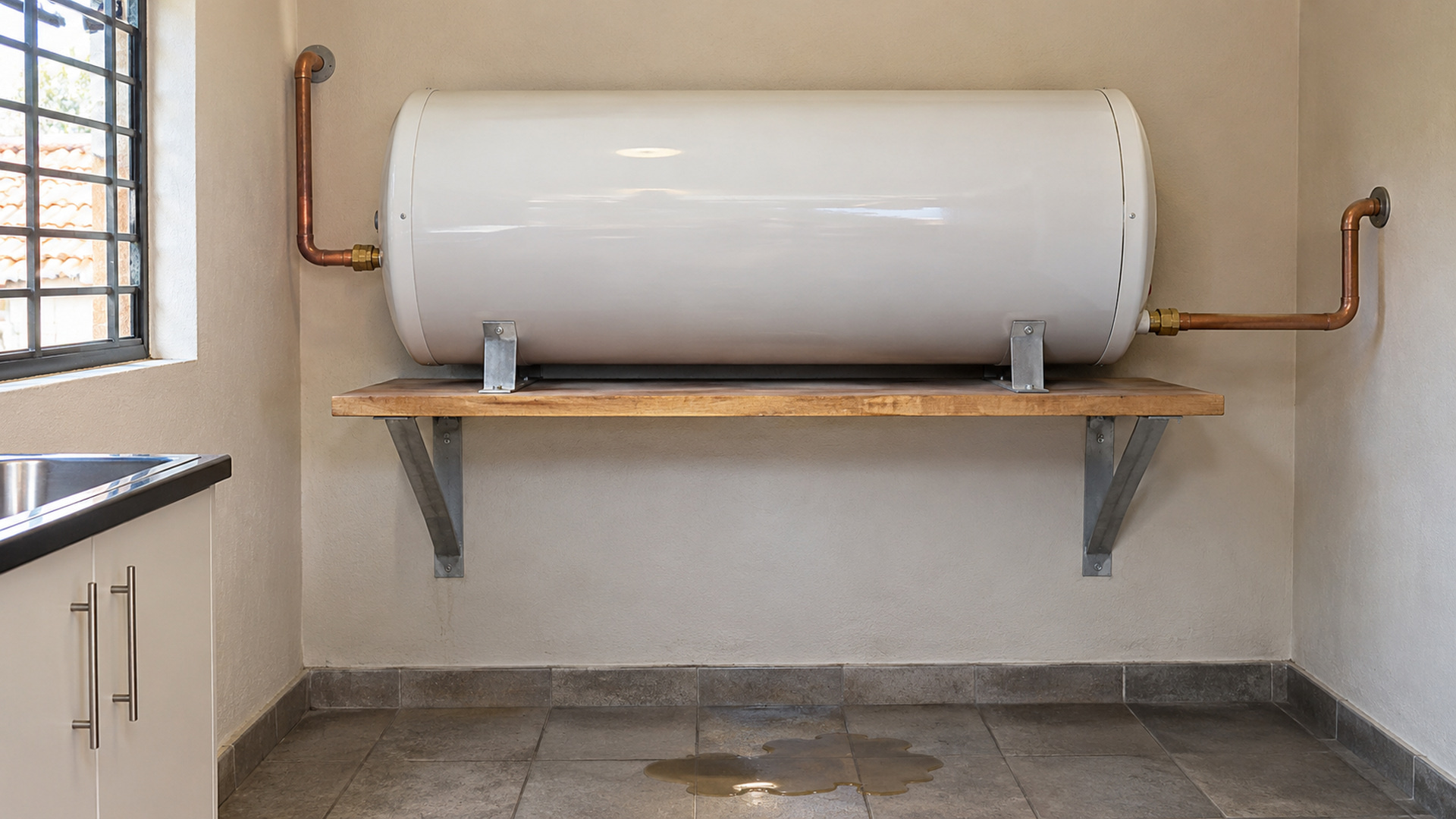
Water can travel before it becomes visible. A ceiling stain may appear some distance from a leaking connection. Moisture inside a cupboard may come from a nearby joint, an appliance or another source. A puddle below a geyser does not by itself establish whether the tank, a valve or a connection has failed.
This is why a photograph is useful but not conclusive. Provide a wide image showing the area and a closer view of the visible symptom. Explain when you first noticed it, whether it continues when fixtures are not in use and whether related work has recently been done. These observations help a plumber plan the assessment.
Avoid opening electrical equipment, climbing into an unsafe ceiling or dismantling pipework to produce a better picture. If water is near electrical fittings, keep people away and do not touch wet electrical equipment. Follow the property's emergency procedures and seek appropriate professional help. If it is safe to do so, isolate the water supply using the known shut-off point.
A responsible assessment should identify what has been observed and what remains uncertain. If access is needed to investigate a concealed area, agree on the extent of opening and how reinstatement will be handled.
A quick response and a permanent repair are different jobs
An active leak or overflowing drain may require immediate containment. A plumber might need to isolate a supply, secure an affected area or take another practical first step before a complete repair can be planned. The urgent visit and the permanent solution should be described separately where possible.
Ask what the initial response is expected to accomplish. Will it stop the immediate escape of water, or is it intended to complete the repair? What remains to be investigated? Are materials available, and will a further visit be needed? An honest answer helps the owner arrange access and budget for the next stage.
A temporary measure is not necessarily poor workmanship. It can be the appropriate response when a part must be sourced or further assessment is needed. Problems arise when a temporary measure is mistaken for a permanent repair or when nobody is responsible for the follow-up.
Emergency availability and pricing vary. Confirm the call-out charge, after-hours terms and approval process when arranging help. If there is an immediate threat to life or serious danger, contact the relevant emergency services rather than waiting for a routine quotation.
Repairing a fitting can be sensible when the scope is clear
Not every leak requires the replacement of a complete pipe run or fixture. A localised problem at an accessible fitting may be repairable if the surrounding materials are sound and a compatible connection can be made. The plumber should assess the actual condition and explain the proposed work.
A targeted repair may cause less disruption than opening a long section of wall. Its limitation is that it addresses the identified area rather than renewing the entire installation. If surrounding pipework is deteriorated or access makes a small repair impractical, a broader scope may be justified.
Ask which component is affected and how the surrounding area was assessed. Does the quotation include isolation, replacement parts, testing, cleanup and reinstatement of finishes? What could change once the area is opened? These questions help compare options without assuming that either the smallest or largest job is automatically correct.
Where the fault is hidden, the first quote may be for investigation rather than a fixed repair. That is a legitimate distinction. Agree how findings will be documented and how any additional work will be priced before it proceeds.
Replacing more is not automatically replacing better
A recommendation to replace a geyser, fixture or length of pipe should be supported by the condition of the item and the practical alternatives. A failed vessel, extensive deterioration or unavailable parts can make replacement the sensible choice. A local issue in an otherwise suitable system may call for a narrower repair.
The comparison should include more than the cost of the component. Access, isolation, fittings, installation, testing, disposal and the restoration of surrounding finishes can all affect the total. Product and workmanship warranties may also differ. Ask for their terms and exclusions in writing.
For a geyser, provide the make or model information if safely accessible and describe the symptoms. A lack of hot water, a leak at a connection and water escaping from the vessel are different problems. The assessment should determine which part of the system needs attention.
Do not assume that replacing the water heater resolves every pressure or hot-water issue. Demand patterns, controls, plumbing connections and the installation's condition can all matter. The appropriate professional should explain the proposed solution for the actual property.
Geyser work needs coordination between trades
A storage geyser forms part of a plumbing system and may also have an electrical supply. Water and electricity together require careful handling. If water is approaching an electrical fitting or the area appears unsafe, keep clear and contact an appropriate professional. Do not touch wet switches, wiring or equipment.
A plumbing quotation should identify whether any electrical work is included and who is responsible for it. Electrical installation work and certification must be handled by the appropriately registered professional. The Department of Employment and Labour advises owners to use competent, legally registered electrical contractors and states that a CoC follows proper inspection and testing. See its electrical compliance notice.
Ask how water will be isolated, what access is required and whether the installation can be reached safely. A geyser in a restricted ceiling space presents different access considerations from an accessible utility room. Do not enter an unsafe roof void yourself to obtain a photograph or label.
After work, ask for the scope completed, any product instructions and the documentation relevant to the installation. Retain the invoice and warranty details. A neat-looking unit is not proof of compliance; inspection and testing are separate responsibilities.
A blocked drain may need more than a clearing attempt
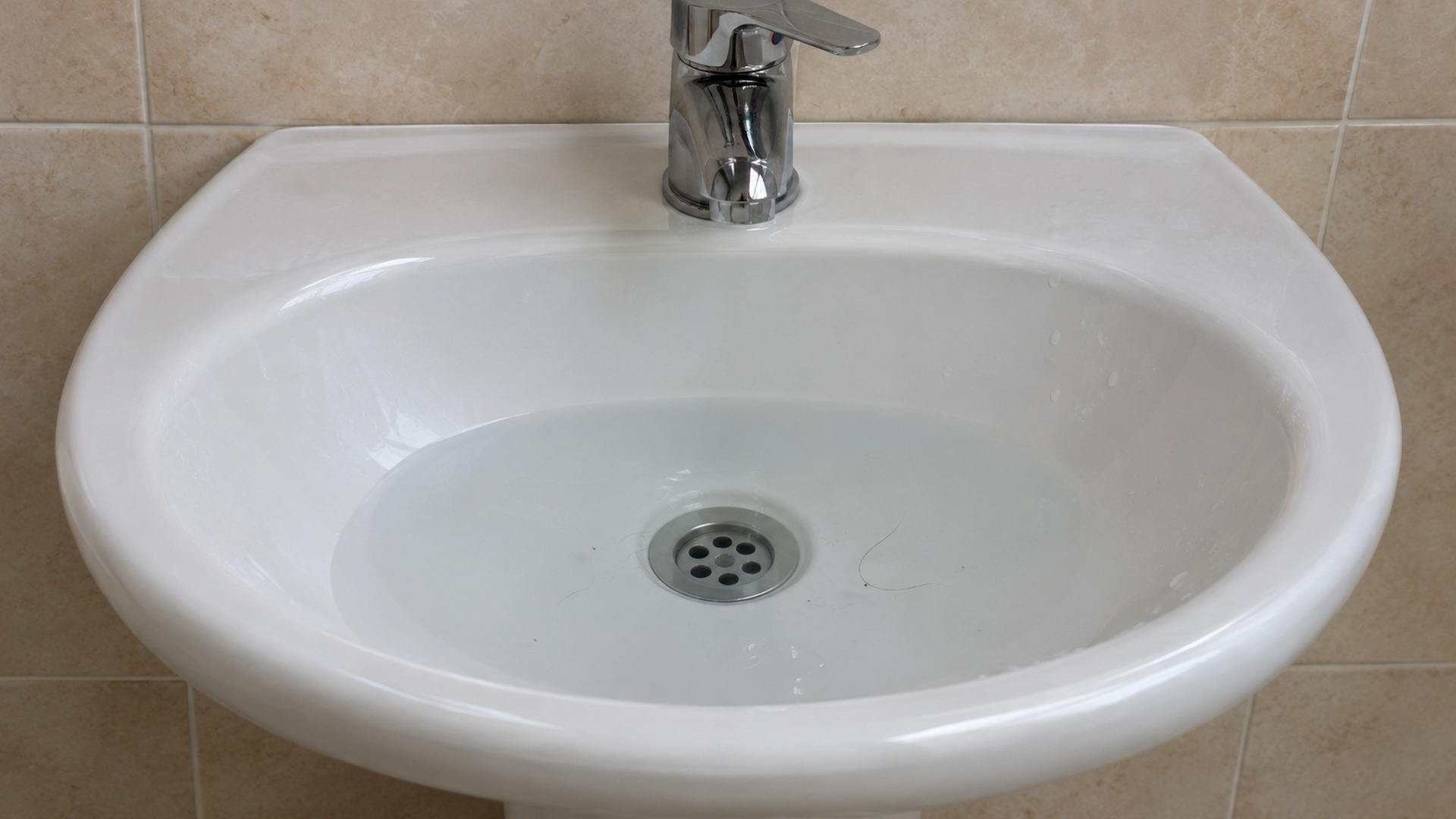
A slow basin and several fixtures backing up at the same time are not identical situations. A local blockage may be resolved at or near one fixture. A recurring or wider drainage problem may need a broader investigation to establish the cause and location. The appropriate method depends on what is observed.
Ask whether the quoted service is an initial clearing attempt, an investigation, or a repair to a confirmed defect. If the blockage returns, report when it happens and which fixtures are affected. An earlier attempt may provide useful information, but it should not automatically be treated as proof of the cause.
Do not mix drain-cleaning chemicals. Tell the plumber if any chemical product has already been used and when. Keep occupants away from overflowing wastewater and arrange prompt assistance where sanitation is affected. A business should also consider whether an affected facility can remain in use safely while help is arranged.
If an investigation suggests that pipework is damaged, ask how the conclusion was reached and what access is required to repair it. Discuss the area to be opened, disposal and reinstatement. A meaningful quote explains the work and its limits rather than describing every blockage as a full replacement.
Low pressure is a symptom with several possible explanations
Water pressure complaints are often described as “the whole system needs upgrading”, but the pattern matters. A problem at one outlet may differ from a problem across an entire building. If only the hot supply is affected, that is useful information for the person assessing the system. Changes by time of day or following recent work may also be relevant.
Record which fixtures are affected and whether the problem involves hot water, cold water or both. For a shared property, ask whether neighbouring units experience the same issue. These observations help direct the assessment but do not establish the cause by themselves.
Replacing a tap may be appropriate if the fitting is defective. It will not necessarily solve a problem elsewhere in the supply or installation. Conversely, proposing a major upgrade without checking local conditions can add unnecessary cost. Ask the plumber what has been inspected and what further testing or access is needed.
For a workplace, plan any interruption around essential use. Agree who will notify staff or tenants and who can approve additional work if the initial assessment uncovers a different issue.
A good quote makes uncertainty visible
The most helpful quote is not always the one with the fewest lines. It should identify the symptom or defect being addressed, the proposed scope, assumptions, materials and exclusions. If the problem has not yet been diagnosed, the quote should say whether it covers investigation only or includes a defined repair.
Compare call-out fees, labour, parts, access, disposal and testing. Ask whether making good a ceiling, wall or cupboard is included. If a quotation contains an allowance, understand what it covers and how the final amount will be determined. Agree that additional chargeable work will be explained before it starts.
Request a realistic estimate of disruption. Water isolation may affect other occupants, and drying or reinstatement may continue after the plumbing repair. A completion time can depend on access, parts and hidden conditions. Clear communication is more useful than a guaranteed deadline that ignores those variables.
For a rental or managed building, identify the person authorised to approve work. Confirm access rules and any responsibility boundaries before the appointment. The lease, property arrangements and applicable requirements matter more than assumptions about who should pay.
Records are useful after the water stops
At handover, ask what was found and what work was completed. Confirm how the repaired part was tested, whether further work is recommended and when the area can return to normal use. Keep relevant product details, invoices and warranty terms together.
If water damaged surrounding materials, drying and finish repairs may require separate attention. The US Environmental Protection Agency's moisture guidance emphasises fixing the water problem and drying affected surfaces before painting. This general advice does not diagnose a particular property or determine the complete scope of remediation.
If the symptom returns, document when and where it appears and contact the relevant provider. A previous repair record helps explain what was done, but it cannot prove that every new symptom has the same cause. An assessment should consider the current evidence.
For a property manager, an organised record can also prevent repeated calls being treated as unrelated incidents. Include the location, dates, work completed and any outstanding recommendation. Keep the record accessible to the person who will authorise the next step.
Ask better questions before approving work
The decision to repair, replace or investigate further should follow from the condition of the installation and the owner's practical needs. A narrow repair can be good value when the fault is local and the rest of the system is suitable. A broader replacement can be justified when the evidence supports it. Neither should be selected solely because it is the fastest option to describe.
Building Companies offers plumbing repairs, geyser and drainage services in Gauteng. To discuss an issue, request an assessment with the property location, symptoms and photographs obtained safely. The next step can be agreed after the problem and access requirements are understood.