Maintaining Exterior Drainage Grates in South Africa
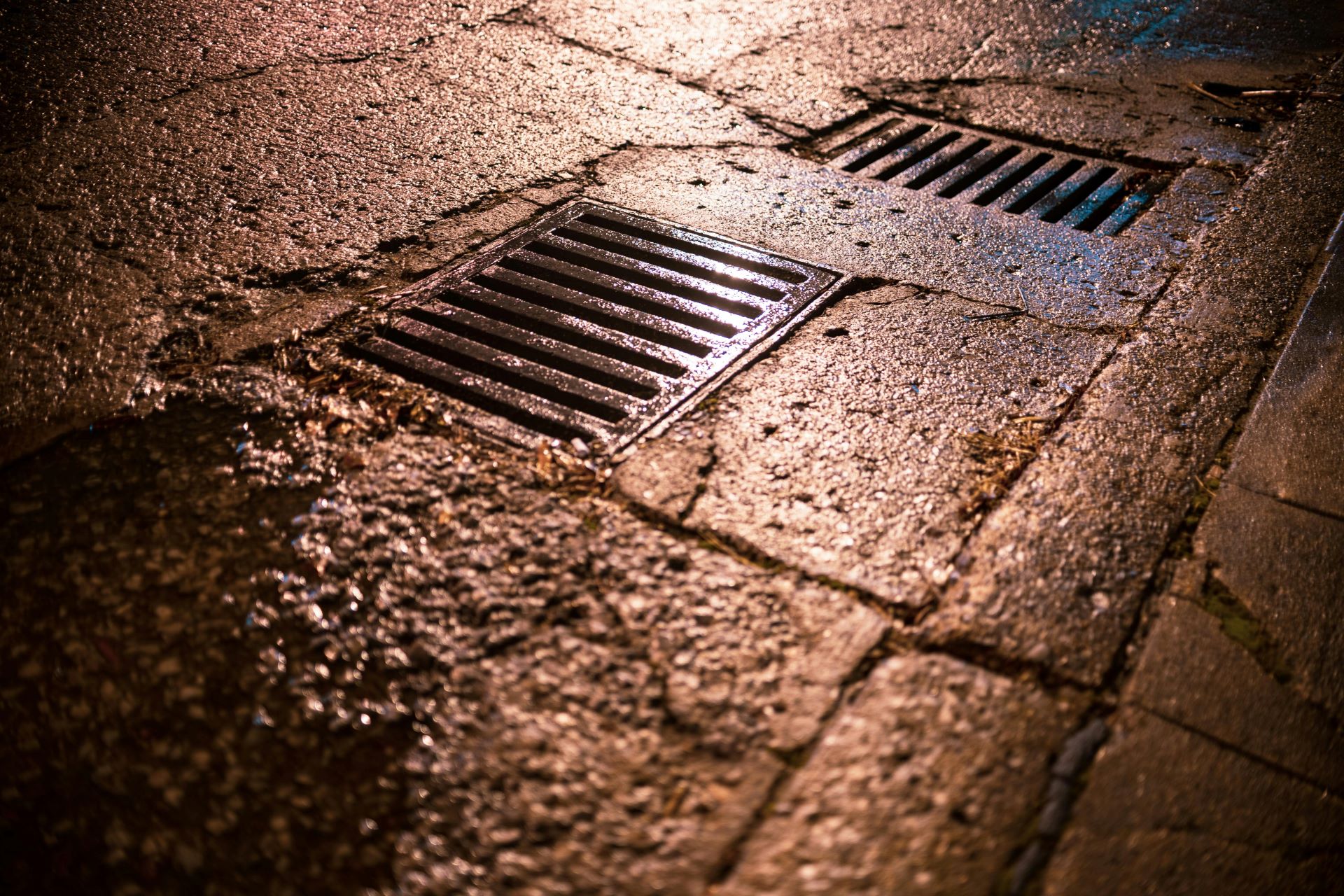
Exterior drainage grates are small components of a building’s infrastructure, yet their importance is often underestimated. These metal or composite covers sit above drainage channels and stormwater inlets, protecting the system from large debris while allowing rainwater to flow freely into the drainage network below.
In South Africa, where heavy rainfall events frequently follow long dry spells, exterior drainage systems must cope with sudden surges of water. Leaves, sand, plastic waste, and construction debris can quickly accumulate around grates, restricting water flow and increasing the risk of flooding around buildings.
For property owners, contractors, and facility managers, maintaining drainage grates is not just about cleanliness. It is a critical part of preventing water damage, protecting structural foundations, and ensuring that stormwater systems function efficiently during intense rainfall.
Regular inspection, cleaning, and repair can extend the lifespan of drainage infrastructure and prevent costly damage to paved areas, foundations, and surrounding landscapes.
How Debris Builds Up Around Drainage Grates
Exterior drainage grates are constantly exposed to environmental conditions. Over time, various types of debris can accumulate on and beneath them.
Urban areas often experience blockages caused by litter such as plastic bags, food packaging, and paper products. In suburban neighbourhoods with established gardens and trees, organic materials like leaves, twigs, and seed pods are the most common culprits.
Construction and renovation projects introduce another risk factor. Loose sand, cement dust, gravel, and building offcuts can easily find their way into drainage channels. Once wet, these materials can harden and create stubborn obstructions that restrict water flow.
In many parts of South Africa, wind plays a significant role in moving debris across paved surfaces. Gusts can push leaves and dirt into low-lying areas where drainage grates are located. During storms, this material is washed directly into drainage channels.
Without regular maintenance, the build-up gradually forms dense blockages. Water begins to pool on surfaces, increasing the risk of slip hazards, erosion, and water intrusion into nearby structures.
Signs That Drainage Grates Require Maintenance
Exterior drainage systems usually show visible signs when maintenance is overdue. Recognising these indicators early allows building owners to address problems before they escalate.
Standing water near grates after rainfall is one of the most obvious warning signs. If water takes longer than usual to drain away, it often indicates that debris is obstructing the channel beneath the grate.
Another sign is visible accumulation of leaves, soil, or litter across the surface of the grate. Even partial blockage can significantly reduce water flow during heavy storms.
Rust, bending, or cracked sections of the grate structure are also important warning signs. Over time, repeated vehicle loads or corrosion can weaken metal grates, making them unstable and potentially hazardous.
Occasionally, unpleasant odours may emerge from drainage points. This can indicate stagnant water trapped beneath debris, which encourages bacterial growth and organic decay.
Routine inspections help identify these issues before they affect the broader drainage system.
Establishing a Routine Cleaning Schedule
One of the most effective ways to maintain exterior drainage grates is by establishing a consistent cleaning schedule.
In many South African regions, seasonal patterns influence how often grates require maintenance. Areas with dense vegetation may need more frequent cleaning during autumn, when falling leaves accumulate rapidly. In urban environments, weekly inspections may be necessary due to litter and dust.
A practical maintenance routine usually includes:
• Removing visible debris from the surface of the grate • Inspecting the drainage channel beneath the grate • Clearing sediment or compacted material from the inlet
Routine maintenance is typically straightforward and can be performed with basic tools such as gloves, a stiff brush, and a scoop or shovel. In larger commercial or industrial facilities, maintenance teams may use specialised vacuum or jetting equipment to remove deeper blockages.
Regular cleaning ensures that rainwater can move freely through the drainage system, reducing the likelihood of surface flooding.
Safe Removal of Drainage Grates
Before cleaning the drainage channel beneath a grate, the grate itself must be safely removed. This step requires caution, as many grates are heavy and may be firmly seated in their frames.
Proper lifting tools or hooks are often used to remove metal grates without damaging the surrounding concrete or paving. Workers should also wear protective gloves to avoid injuries from sharp edges or accumulated debris.
Once lifted, the grate should be placed on a stable surface away from pedestrian or vehicle traffic. This allows the drainage channel beneath to be inspected and cleaned thoroughly.
In some cases, grates may be secured with bolts or locking mechanisms, particularly in public areas or industrial environments. These systems prevent theft and ensure the grate remains securely in place under heavy loads.
When reinstalling the grate, it is essential to ensure it sits flush within its frame to prevent movement or rattling under traffic.
Clearing Debris from Drainage Channels
Removing debris from the drainage channel is the core step in grate maintenance. Once the grate has been lifted, the interior of the channel becomes visible and accessible.
Sediment, leaves, plastic waste, and soil often accumulate at the inlet point, restricting water flow. These materials should be carefully removed and disposed of in accordance with local waste management practices.
In cases where sediment has hardened, manual tools such as small shovels or scrapers may be required to loosen the material. Water flushing can also help dislodge stubborn deposits and carry smaller particles further down the drainage line.
For larger properties or commercial sites, high-pressure water jetting may be used to clear deeper blockages within underground pipes. This technique ensures that the entire drainage pathway remains unobstructed.
Keeping channels clean significantly improves drainage efficiency during heavy rainfall.
Structural Damage to Drainage Grates
Drainage grates are designed to withstand considerable weight and environmental exposure, but they are not immune to damage.
Corrosion is a common issue, particularly in coastal regions where salty air accelerates metal deterioration. Over time, rust can weaken structural components and create sharp edges or holes.
Vehicle traffic is another factor that contributes to wear and deformation. Repeated loading from cars, delivery trucks, or construction equipment can cause grates to bend or shift out of alignment.
Concrete frames surrounding the grate may also crack or crumble due to ground movement, poor installation, or water erosion.
When structural damage occurs, it must be addressed promptly. A weakened grate can collapse under weight, posing safety risks to pedestrians and vehicles.
Repairing Minor Damage
Minor issues with drainage grates can often be repaired without replacing the entire structure.
Surface rust can be treated using wire brushing or grinding tools to remove corrosion. Once cleaned, the metal can be coated with rust-resistant primer and protective paint designed for outdoor infrastructure.
Loose grates can sometimes be stabilised by adjusting their seating within the frame or replacing worn support brackets.
Small cracks in the surrounding concrete frame may be repaired using specialised repair mortars. These materials restore the structural support around the grate and prevent further deterioration caused by water infiltration.
Routine repairs help prolong the service life of drainage components and reduce long-term maintenance costs.
When Grates Need Replacement
Despite regular maintenance, some drainage grates eventually reach the end of their service life.
Severely corroded metal, broken bars, or significant deformation usually indicate that replacement is necessary. Attempting to repair heavily damaged grates can compromise safety and may not provide a long-term solution.
Replacement grates should be selected based on the expected load conditions. Areas exposed to vehicle traffic require heavy-duty grates designed to support substantial weight, while pedestrian zones can use lighter designs.
Materials also vary depending on the environment. Galvanised steel, cast iron, and composite polymer grates are commonly used in South African construction due to their durability and corrosion resistance.
Proper installation ensures the new grate sits securely within its frame and aligns with surrounding surfaces.
Preventing Future Blockages
Preventative maintenance plays a vital role in keeping drainage systems functioning efficiently.
Property owners can reduce debris accumulation by regularly sweeping paved surfaces and clearing leaves from nearby landscaping areas. Installing leaf guards or debris baskets beneath grates can also capture organic matter before it enters the drainage pipe network.
On construction sites, implementing proper housekeeping practices prevents loose materials from entering stormwater systems.
In commercial areas, waste management measures such as additional bins and regular litter collection can significantly reduce blockages caused by plastic waste.
These preventative strategies help maintain consistent drainage performance and reduce the need for extensive cleaning.
Environmental Considerations in Stormwater Maintenance
Stormwater systems ultimately discharge into rivers, wetlands, and coastal environments. Because of this, maintenance practices must consider environmental protection.
Debris removed from drainage channels should never be washed directly into stormwater outlets. Instead, it should be collected and disposed of through appropriate waste management channels.
Chemical cleaning agents should also be used sparingly, as they can enter natural water systems and cause environmental harm.
Many municipalities across South Africa have introduced stormwater management regulations designed to protect local ecosystems. Following these guidelines ensures that building maintenance practices support broader environmental sustainability.
Integrating Drainage Maintenance into Building Management Plans
Exterior drainage grate maintenance should form part of a comprehensive building maintenance plan.
Facility managers often integrate drainage inspections into routine property checks, particularly before and during rainy seasons. This approach ensures that potential issues are identified early and addressed before severe weather occurs.
Maintenance logs can be useful tools for tracking inspections, cleaning schedules, and repairs. Over time, these records help identify patterns such as recurring blockages or areas prone to debris accumulation.
Including drainage systems in broader maintenance planning helps property owners protect their buildings from water damage while maintaining safe outdoor environments.
The Long-Term Value of Drainage Maintenance
Although drainage grates may seem like minor elements of a building’s exterior, their role in protecting structures from water damage is significant.
Neglected grates can lead to flooding, erosion, and structural deterioration that ultimately costs far more to repair than routine maintenance. By contrast, consistent cleaning and inspection keep stormwater systems functioning as intended.
In South Africa’s varied climate, where heavy rainstorms can arrive suddenly, maintaining exterior drainage grates is an essential part of responsible building management.
With regular attention, simple cleaning practices, and timely repairs, property owners can ensure that these modest yet vital components continue to protect buildings and infrastructure for many years.