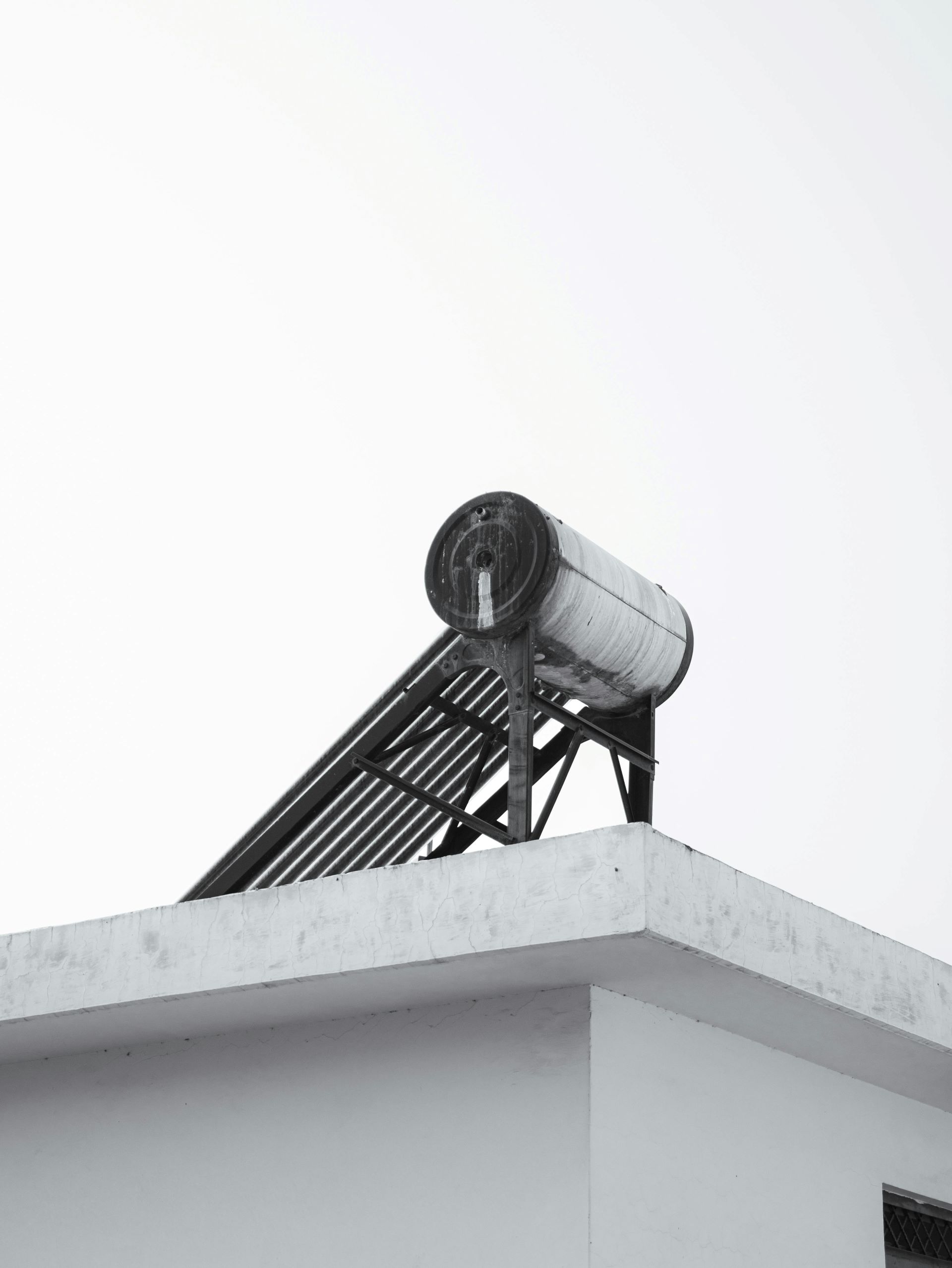
Geyser Maintenance and Pressure Valve Failures in SA
The Silent Engine in Your Ceiling
Above many South African ceilings sits a steel cylinder doing quiet, relentless work: heating water on demand while enduring constant pressure, heat cycles, and municipal supply fluctuations.
It is not a gentle environment.
Inside a typical geyser, water expands as it heats. Pressure rises. Contracts. Rises again. Each cycle presses against the same mechanical guardians meant to keep everything safe: the pressure relief and safety valves.
And like any overworked sentinel, these components eventually tire.
In construction and building maintenance, geyser systems are often treated as “install and forget” assets. Yet they are among the most failure-prone elements in a residential or commercial plumbing system precisely because they operate under constant thermal and hydraulic stress.
Understanding how pressure valve failures develop is not just technical curiosity. It is a direct line to preventing ceiling collapse, water damage, electrical hazards, and full system failure.
How Pressure Builds Inside a Geyser System
A geyser is a closed system. Cold water enters, is heated by an element, expands, and has nowhere to go unless controlled.
That expansion is the key driver of internal stress.
As temperature rises, water volume increases. Even small thermal changes translate into measurable pressure increases inside the tank. In South African municipal systems, where incoming water pressure can already be high, the cumulative effect becomes significant.
This is why modern installations rely on multiple safety components:
• A pressure control valve regulates incoming municipal pressure
• A temperature and pressure relief valve (TPR valve) releases excess pressure
• Vacuum breakers prevent negative pressure damage during draining
When any one of these components weakens, the entire system absorbs stress it was never designed to carry.
Over time, that stress concentrates at the weakest mechanical point: the safety valve assembly.
The Role of the Safety and Pressure Relief Valve
The pressure relief valve is not a comfort feature. It is a fail-safe device designed to protect life and structure.
Its job is simple in theory and brutal in practice: release water when pressure or temperature exceeds safe thresholds.
In real-world conditions, it constantly negotiates between:
• Normal operating pressure fluctuations
• Thermal expansion spikes
• Sediment interference from water supply
• Wear from repeated mechanical cycling
When functioning correctly, it remains closed most of the time. Only under abnormal conditions does it open briefly to discharge excess pressure through a drain line.
This discharge is not a fault. It is controlled sacrifice.
However, once wear begins, that controlled behaviour becomes unpredictable.
Why Pressure Valves Fail in South African Conditions
South African plumbing environments place unique strain on geyser systems. Several factors combine into a perfect storm of mechanical fatigue.
High municipal pressure variability
Urban water systems often fluctuate in pressure depending on demand cycles. Early morning and evening peaks can push systems beyond ideal operating ranges, forcing valves to compensate repeatedly.
Hard water and sediment accumulation
Mineral-rich water gradually deposits scale inside valve housings. This affects sealing surfaces and spring movement, leading to delayed or incomplete closure.
Thermal cycling stress
Every heating cycle expands water volume. Every cooling cycle contracts it. This constant movement causes micro-wear inside valve components.
Installation inconsistencies
Incorrectly installed valves, or mismatched pressure ratings, reduce system efficiency from day one. Even minor installation deviations can shorten valve lifespan significantly.
Over time, these conditions turn a precision safety device into a slow-degrading mechanical component.
The Early Warning Signs of Valve Failure
Pressure valve failure rarely happens suddenly. It typically announces itself through subtle symptoms long before catastrophic failure occurs.
The most common early indicators include:
• Continuous dripping from the overflow pipe even when the geyser is idle
• Intermittent discharge during mild heating cycles
• Rust staining around valve fittings
• Reduced or inconsistent water release during manual testing
• Audible hissing or pressure release sounds during standby periods
These signs often get dismissed as “normal geyser behaviour,” especially in older buildings.
In reality, they are mechanical distress signals.
A valve that drips constantly is no longer regulating pressure correctly. A valve that does not respond during testing may already be stuck or partially seized.
The Maintenance Cycle Most Systems Never Receive
In building maintenance planning, geyser safety valves require structured inspection cycles. Yet in practice, they are often ignored until failure occurs.
A proper maintenance cycle should include:
Quarterly testing is the first line of defence. A manual lift test confirms whether the valve opens and reseals correctly. This simple action reveals stiffness, blockage, or delayed response.
Biannual inspection focuses on physical condition. Corrosion, scaling, and fitting integrity are assessed. Drain lines are checked for blockages that could prevent proper discharge.
Annual system review evaluates pressure conditions in the broader plumbing system. This includes checking whether municipal pressure exceeds safe operating ranges and whether additional regulation is required.
Replacement cycles are typically required every five to eight years depending on water quality and usage intensity.
This cycle is not excessive. It is preventative engineering.
When Pressure Becomes the Hidden Threat
One of the most overlooked causes of valve failure is not the valve itself but the pressure feeding it.
If incoming water pressure exceeds safe design limits, the valve is forced into frequent activation. This accelerates wear dramatically.
In many South African installations, this is compounded by the absence of properly functioning pressure regulation at the inlet stage.
The result is a system that is constantly “correcting” itself rather than operating in equilibrium.
Over time, this leads to:
• Spring fatigue inside the valve mechanism
• Seal deformation due to repeated stress
• Increased leakage frequency
• Premature failure of the entire safety assembly
In construction terms, this is not a component issue. It is a system design imbalance.
Consequences of Ignoring Valve Degradation
When a pressure relief valve fails completely, the results are rarely contained to the plumbing system alone.
The most severe outcomes include:
• Burst geyser tanks releasing hundreds of litres of hot water
• Ceiling collapse due to water saturation
• Electrical hazards from water ingress into wiring systems
• Structural damage to drywall, insulation, and framing
• Secondary mould growth and long-term building deterioration
Even partial failure can create ongoing water damage that weakens building materials over time.
In commercial properties, the cost impact multiplies quickly due to downtime, repair labour, and tenant disruption.
A failed valve is not a minor plumbing fault. It is a structural risk event.
The Relationship Between Pressure and Temperature Stress
Pressure and temperature do not operate independently inside a geyser. They are interlinked forces acting on the same enclosed volume.
As water heats:
• Volume increases
• Pressure rises
• Valve load increases
If temperature control systems also drift out of calibration, the stress compounds further.
This is why geyser maintenance must always consider both thermal regulation and mechanical pressure relief as a unified system.
Treating them separately often leads to incomplete diagnosis and repeated failure.
Why Testing Is More Important Than Replacement Alone
Replacing a pressure valve without understanding system pressure conditions is a short-term fix.
Testing, however, reveals system behaviour.
A properly functioning valve should:
• Open cleanly under manual activation
• Release water smoothly through the drain line
• Close fully without continued dripping
• Respond consistently across repeated tests
If any of these behaviours are inconsistent, the issue may not be the valve alone but the surrounding pressure environment.
This is where professional plumbing assessment becomes critical in building maintenance frameworks.
Maintenance in Real Building Environments
In residential buildings, maintenance is often reactive. In commercial or managed properties, it should be structured and scheduled.
Geyser systems should be treated as critical infrastructure rather than passive utilities.
This means integrating valve inspection into broader maintenance schedules that already include electrical systems, roofing, and fire safety systems.
In multi-unit developments, the risk multiplies because system failures can affect multiple occupants simultaneously, increasing both liability and repair complexity.
Preventative maintenance is always cheaper than emergency restoration.
Repair vs Replacement Decision Logic
When a pressure valve begins to fail, the decision is not always binary.
Replacement is typically required when:
• The valve does not respond during testing
• Leakage continues after system pressure normalization
• Corrosion is visible on the valve body
• The unit is older than its expected service life
However, if failure is driven by system pressure issues, replacing the valve alone will only delay recurrence.
In those cases, upstream pressure regulation must be addressed first.
A correct diagnosis ensures the new valve is not immediately placed under the same damaging conditions.
Building Maintenance Strategy for Longevity
A well-managed geyser system is not maintained by occasional repair. It is maintained through rhythm.
That rhythm includes:
• Scheduled testing of safety valves
• Monitoring of system pressure stability
• Periodic flushing to reduce sediment accumulation
• Timely replacement of aging components
• Integration of plumbing checks into broader building maintenance cycles
When these elements align, geyser systems operate quietly and predictably for years.
When they do not, failure becomes inevitable.
The Final Word on Pressure Valve Health
Hot water systems are not static installations. They are living mechanical environments shaped by heat, pressure, and time.
The pressure relief valve is the point where all three forces converge.
When it is healthy, the system remains invisible in daily life. When it weakens, it becomes the first and most honest indicator that something deeper is wrong.
For South African buildings, where water pressure variability and mineral content add extra strain, disciplined maintenance is not optional. It is structural protection.
A geyser does not fail without warning.
It whispers first through its valve.