Cleaning and Maintaining Rainwater Gutters Properly
The Importance of Clean Rainwater Gutters in South Africa
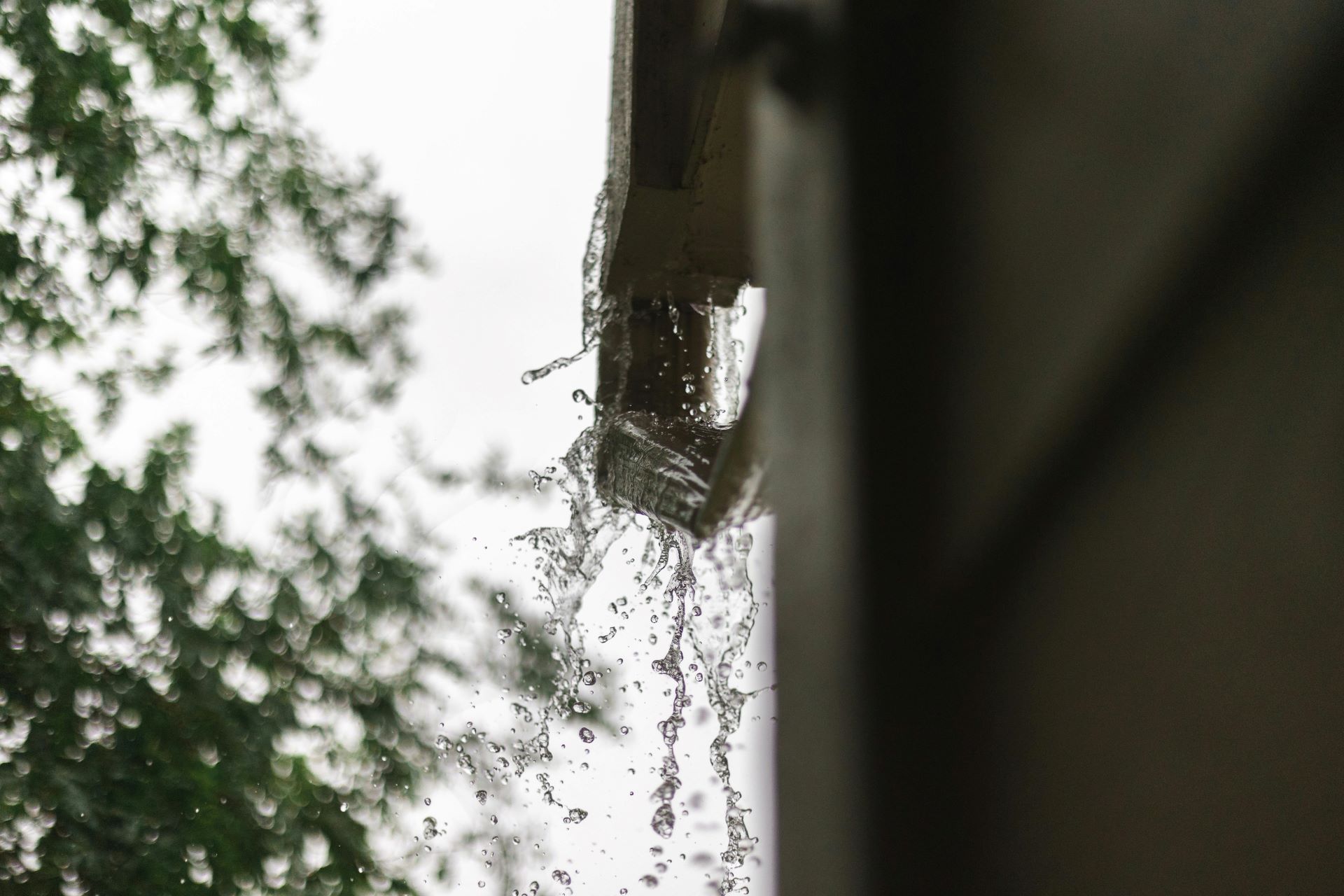
Rainwater gutters are one of those parts of a building that quietly work in the background until something goes wrong. In South Africa’s climate, where summer storms can arrive like sudden theatre curtains opening to thunder and rain, gutters play a vital role in protecting walls, foundations, and roof structures.
When gutters become blocked with leaves, dust, or debris carried by wind and seasonal weather, water cannot flow freely. Instead of being guided safely away from the building, rainwater spills over the edges. This overflow often leaves ugly staining on plaster surfaces, encourages damp penetration, and can even contribute to structural weakening over time.
In residential and commercial construction alike, gutter maintenance is often postponed because it feels like a small task. But like a forgotten teacup left under a slow-dripping tap, the damage grows quietly until it demands expensive repair.
South African buildings face unique maintenance pressures. Urban trees, seasonal wind debris, bird nesting activity, and dust from dry regions all combine to make gutters vulnerable to clogging. Regular attention is not a luxury. It is a defensive strategy for building longevity.
How Blocked Gutters Cause Overflow Staining
Overflow staining happens when water escapes the gutter channel and runs down exterior walls. Over time, dissolved dirt, organic matter, and metal oxidation particles travel with the water and leave dark streaks along plaster surfaces.
The process is deceptively simple.
When leaves and debris settle inside a gutter, they create a physical dam. Rainwater arriving from the roof has nowhere to go. As the water level rises, it spills over the gutter edge. Gravity then does the rest, pulling the water down wall surfaces where it evaporates and leaves behind mineral traces.
In coastal areas and humid urban zones, staining may appear reddish-brown, dark grey, or even greenish depending on biological growth and metal corrosion interaction.
Many property owners mistake these marks for painting or plaster failure. In reality, the problem often begins above eye level, quietly nesting inside a forgotten drainage channel.
Early gutter cleaning prevents staining from spreading downward and embedding itself into the plaster texture. Once staining penetrates porous exterior finishes, removal becomes much more complicated and sometimes requires repainting entire wall sections.
Signs Your Gutters Need Immediate Attention
Recognising gutter problems early can save significant maintenance costs.
Watch for water overflowing during light rain rather than only during heavy storms. If gutters overflow during gentle rainfall, it usually means partial blockage rather than excessive water volume.
Other warning signs include:
• Plants or grass beginning to grow inside gutter channels
• Birds or insects nesting along roof edges
• Visible leaf accumulation near downpipes
• Damp patches appearing on exterior walls below gutter lines
• Peeling paint or plaster softening near roof junctions
In South Africa’s summer rainfall regions, it is wise to check gutters shortly before the rainy season begins. Prevention is easier than emergency repair when storm clouds are already singing overhead.
Seasonal Cleaning Schedules for Local Conditions
Because South Africa experiences varied climatic zones, gutter maintenance should follow seasonal rhythm rather than a rigid calendar.
During autumn months, deciduous trees shed leaves that tend to accumulate inside gutters. This is the most critical cleaning period for many suburban homes with garden vegetation.
A practical maintenance approach is cleaning gutters:
Before the summer rainy season
After major wind events
After heavy leaf fall periods
Midway through prolonged rainy spells if the property is surrounded by trees
In coastal cities, salt spray can combine with organic debris to accelerate corrosion of metal gutter systems. More frequent inspection is advisable in these environments.
Property managers of larger buildings should consider quarterly inspection routines, while smaller residential homes may manage well with twice-yearly cleaning if surrounding vegetation is minimal.
Safe Methods for Cleaning Gutters
Safety should always sit at the top of any maintenance conversation.
Working on ladders or roof edges carries real risk. Never attempt gutter cleaning during windy weather, after heavy rain, or when roof surfaces are slippery.
Start by placing a stable ladder on firm ground. If possible, have someone support the base of the ladder while you work. Wear gloves because decomposed organic material inside gutters can contain bacteria and sharp fragments.
Remove loose debris by hand or using a small plastic scoop. Metal tools can scratch protective coatings inside metal gutters, encouraging future corrosion.
After removing solid debris, flush the gutter channel with a gentle stream of water. Garden hoses are useful here. Observe how water flows towards the downpipe outlet.
If water pools in any section, it may indicate sagging gutter alignment or hidden blockage inside the downpipe.
Blocked downpipes are sometimes the real villains hiding behind apparent gutter failure. Insert a flexible hose nozzle into the downpipe and flush upward pressure water to dislodge trapped material.
Leaf Guard Systems and Their Practical Value
Leaf guards are increasingly popular in modern South African construction because they reduce manual cleaning frequency.
A leaf guard is a protective mesh, cover, or structural insert designed to block leaves while allowing rainwater to pass.
There are several common designs available.
Mesh-style guards are lightweight and easy to install. They are particularly useful for properties surrounded by medium-sized trees. However, mesh holes must be small enough to prevent seed and fine debris penetration.
Solid surface guards use a curved or sloped profile to guide leaves away while allowing water to follow surface tension into the gutter channel. These are often more expensive but require less maintenance.
Brush-style inserts are sometimes used in residential settings. They trap leaves within bristle-like structures while allowing water flow beneath. These systems are useful where falling leaves are the primary problem.
When selecting leaf guards in South Africa, consider local wind behaviour. Strong coastal winds can dislodge poorly secured mesh systems, turning them into fluttering maintenance liabilities.
Installation quality matters more than material type. Even the best guard design will fail if fasteners loosen under thermal expansion cycles or wind stress.
Choosing the Right Gutter Material for Longevity
Maintenance effort is also influenced by the original gutter material used in construction.
Galvanised steel gutters are common in older South African homes. They offer strength but may rust if protective coatings are damaged.
Aluminium gutter systems are lighter and generally more resistant to corrosion, making them popular in modern developments.
PVC gutters are easy to maintain and do not rust, but extreme heat exposure can cause long-term brittleness in some installations.
Coastal regions should pay particular attention to corrosion resistance because salty air accelerates metal degradation. Inspect gutter joints and brackets where corrosion often begins invisibly before surface rust becomes obvious.
If repainting or sealing metal gutters, ensure surfaces are properly cleaned and dried first. Applying coating over trapped moisture is like wrapping bread around a hidden drop of rainwater. The decay simply continues inside.
Preventing Future Blockages Around the Roof Environment
Gutter maintenance should not be isolated from broader property management.
Trim overhanging tree branches that drop leaves directly onto the roof surface. This simple step reduces debris volume entering gutters during storms.
Check roof valleys where wind-blown material tends to collect before sliding downward.
Bird nesting activity is common under roof eaves in many suburban South African areas. While wildlife should be respected, accumulated nesting material can quickly block drainage channels. Installing gentle deterrents can help discourage repeated nesting.
Avoid allowing construction dust or renovation debris to enter gutter systems during building projects. Temporary protective covers are inexpensive compared to cleaning clogged drainage channels later.
Handling Rust and Early Corrosion Stains
Metal gutter systems sometimes develop rust spots that can create staining on walls when rainwater carries oxidation particles downward.
If small rust patches appear, clean the affected area using mild abrasive cleaning methods and apply corrosion-resistant primer followed by protective paint.
Do not ignore early rust signals. Rust spreads like quiet red dust in winter wind. Once structural thinning occurs, gutter replacement may be more cost-effective than repeated repair.
Professional Inspection Versus DIY Maintenance
Many homeowners wonder whether gutter maintenance is worth outsourcing.
Professional inspection services are useful for multi-storey buildings, complex roof geometries, or properties with difficult access.
Professionals can also test gutter slope alignment. Gutters must maintain slight downward gradient toward downpipes. If installation settles unevenly over time, water flow becomes sluggish even when channels are clean.
However, routine visual inspection and light cleaning can be handled by property owners if safety precautions are observed.
Think of professional maintenance as periodic medical check-ups, while DIY cleaning is the daily hygiene of your building’s skin.
Rainwater Harvesting and Gutter Hygiene
Rainwater harvesting systems are becoming more common in South African homes due to water conservation awareness.
If your building channels rainwater into storage tanks, gutter cleanliness becomes even more important.
Organic debris inside gutters can contaminate harvested water quality and encourage bacterial growth inside storage containers.
Installing first-flush diverters is a practical method. These devices redirect the initial flow of rainwater, which usually contains the highest concentration of roof dust and debris, away from storage tanks.
Maintenance Costs Versus Repair Costs
Regular gutter cleaning is relatively inexpensive compared to plaster repair, repainting, or structural damp treatment.
Overflow staining can eventually lead to moisture penetration behind exterior finishes. Once moisture enters wall cavities, drying becomes slow, especially during South Africa’s cooler winter months.
Preventive maintenance is therefore not simply aesthetic care. It is building health insurance paid in small, manageable instalments of effort.
Property owners should view gutter cleaning as part of overall structural stewardship rather than a cosmetic chore.
Building a Practical Gutter Care Routine
A sensible maintenance rhythm for most South African properties is:
Quick visual inspection once a month
Thorough cleaning twice per year
Extra inspection after major storms or wind events
Leaf guard performance check annually
Record maintenance activities if possible. Small notes about when gutters were cleaned help track future performance patterns.
Over time, this habit transforms maintenance from a reactive task into a quiet, confident management system.
Rainwater gutters are simple structures with a complex responsibility. They stand guard between roof and wall, guiding stormwater like patient rivers moving away from stone shores.
In South Africa’s diverse climate, gutter maintenance should be treated as a core component of property care. Blocked gutters do more than create overflow staining. They open doors to damp problems, plaster damage, and unnecessary repair costs.
Cleaning gutters, installing appropriate leaf guards, and following seasonal maintenance schedules ensure that rainwater behaves as a guest rather than an intruder inside your building.
When maintained well, gutters work silently, carrying summer thunderstorm water away in tidy, disciplined streams, protecting walls so they can continue holding stories, memories, and sunlight without the interruption of unwanted stains.